couplesdm

Tuesday March 24 2026, 12:33 PM
While the cut or color of the metal may seem to be the focus, the setting makes all the difference. Currently, halo rings and solitaire rings are the most common settings used for matching promise rings. How can you choose between the two?
In this matching relationship jewelry guide we will take you on a detailed comparison comparing halo vs. Solitaire engagement rings. Once you know their differences and similarities, as well the pros and con of each setting you will be able to determine the style that best suits you.
What Is matching couple necklaces?
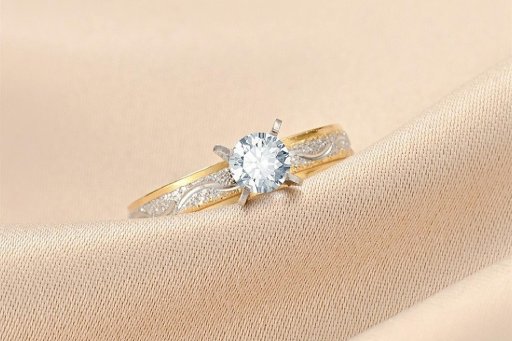
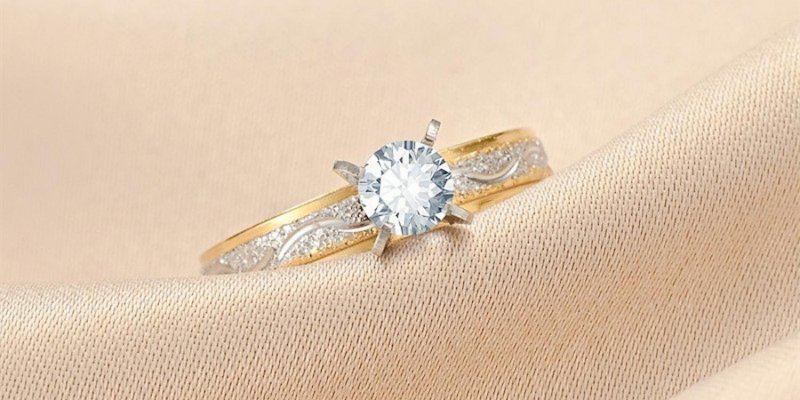
Solitaire rings feature a central stone that is their only focus. While the band of the ring can be adorned with small diamonds the focus is on the center stone. The modern center stone does not have to be a real diamond. It can be made in a laboratory or be an attractive diamond alternative. Solitaire rings are available in different settings. However, the most popular is the prongs. Prongs are the metal claws or beads that surround the stone and hold it in position.
Timeless
A solitaire is one of most simple and classic settings. Its timeless quality comes from its simplicity. You can choose from a classic band of platinum or yellow gold as well as a band with pave diamonds. The style will not go out-of-date when you select the solitaire setting. This setting is all about your center stone. It doesn't mean you can't customize the setting to suit your tastes. Solitaire settings have a timeless appeal and are both versatile. Solitaire settings look great with all diamond cuts as well as unique colored gems.
Con: the stone should be perfect
There's no way to distract attention from the center stone or diamond with a solitaire. The center stone can be large and beautiful. However, if the diamond is flawed or has a color that isn't as desired, there is no way to conceal it. If you are interested in a beautiful solitaire setting but lack the funds to buy a flawless, perfect diamond, you might want to think about a diamond-simulant. Nexus Diamond® is a diamond-like simulant created in a laboratory. It looks and feels like a real diamond.
Check out our diamond carat-size chart to learn how the sizes of diamond cuts are compared so you can pick the right one for your solitaire. This chart demonstrates the actual physical dimensions of different diamond shapes at different weights.
Pro: Maximizes the light on the Center Stone
Solitaire settings will show off a flawless centre stone. This style of setting ensures that the center stone receives light from all sides, creating maximum sparkle. To achieve maximum brilliance with a diamond engagement ring, it is best to use a prong-solitaire setting. It will allow the sides to be exposed.
Con: the Center Stone Is Vulnerable
In a solitaire setting the sides and edge of the gemstone are exposed. Since the stone is most likely in contact with other surfaces on these sides, it can be damaged the most.
But there are proactive steps you should take to ensure your solitaire ring is protected. To protect your solitaire ring, you should first choose a safe setting, like a prong setting or bezel setting. If the stone is cut in an emerald shape or princess shape, then the prongs should cover all corners. If you want to prevent damage, take off your ring whenever you exercise, clean surfaces, etc.
What is Halo Rings (or Halo Rings)?
The center stone of a Halo Ring is surrounded with smaller stones all around, creating an illusion. A "halo", while most commonly composed of pave-style diamonds, can be created from any kind of stone and in any color. Stones can also be cut any way. Vintage rings would often feature colored gemstone halos, or halos laid out in a pattern that resembled a blossom. This gorgeous feminine style has experienced a recent resurgence in popularity. Halos may surround any centre stone cut, including cushion, round, or emerald. Please also see our article describing what a halo is.
Pro: Sparkle
Halo settings add sparkle to rings. Halos are typically round or cushion diamonds. These catch the sun beautifully, adding brilliance and fire. It is this added sparkle that has made halo-style engagement rings popular over the centuries. In addition, jewelers have designed double halos. triple halos or even more halos by stacking multiple rows smaller stones. The larger the overall size of the ring increases as the number of halos increases.